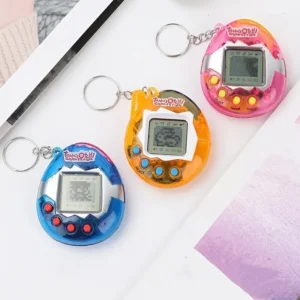
A custom water ring toss retail gift guide helps buyers source compact game toys for counter displays, museum shops, stationery stores, event giveaways and small retail tests. Water ring toss games are simple, interactive and easy to demonstrate.
This guide explains how to plan low MOQ water ring toss toy orders with packaging, barcode and display needs.
Why water ring toss games work
- They are small and easy to place near checkout counters.
- The gameplay is simple and does not require instructions.
- They can be sold as novelty gifts or used as event handouts.
- Packaging labels and insert cards can carry brand messages.
- They can support low MOQ retail tests.
For a related product page, see water ring toss game.
Retail quote checklist
- Product style, size and color mix.
- Quantity and assortment plan.
- Logo or sticker label requirement.
- Packaging type, barcode label or display box.
- Carton quantity and carton mark instructions.
- Destination, warehouse rules and delivery deadline.
For retail planning, see the retail counter display toy supplier checklist.
Packaging options
| Need | Option |
|---|---|
| Fast retail test | Sticker label or barcode label. |
| Gift shop display | Header card or display tray. |
| Brand campaign | Insert card with logo or QR code. |
| Warehouse receiving | Clear carton marks and item codes. |
FAQ
Can water ring toss toys be used for retail counters?
Yes. They are compact, interactive and suitable for low MOQ counter display tests.
Can they include a barcode label?
Yes. Barcode labels can be added to packaging when retail scanning is needed.
What should buyers send for a quote?
Send product reference, quantity, packaging need, barcode requirement, destination and deadline.
Need water ring toss toys for retail or events? Contact Jinyu Novelty with your quantity and packaging needs.
Buyer Notes for Custom Water Ring Toss Retail Gift Guide
Retail orders need packaging, labels and replenishment notes before price comparison. Before asking for a final price, write down the order quantity, destination, deadline, logo needs, sample expectation and packaging level. Those details let a supplier answer with fewer follow-up emails and make the quote easier to compare.
What to Confirm Before Asking for Price
- Retail channel, shelf display method, barcode or label needs and carton packing rules.
- Whether the first order tests one SKU, a color mix or a small assortment.
- Packaging format and whether a counter display or inner box is needed.
- Photo approval for packaging, labels and carton marks before shipment.
- Reorder quantity and whether the same packaging can be repeated later.
Questions to Send in the First RFQ
- Can this item be packed for shelf, counter display or FBA prep?
- What barcode, label or carton mark files do you need before packing?
- Can the first order use a small assortment without creating a messy SKU setup?
- What should I confirm now to make reorders easier?
When to Simplify the Order
If the first trial order is small, the deadline is fixed or the artwork is not ready, simplify one part of the project first. A stock product with logo printing, a simpler insert card, a mixed color assortment or a blank sample can keep the project moving while the buyer checks market response.
Quote Comparison Notes
When two supplier replies look different, compare the scope before comparing the number. Check whether both quotes include the same product model, logo method, packaging level, sample type, shipping assumption and approval steps. A lower price is not useful if it leaves out the packing work, delivery route or sample proof the buyer needs.
- Compare product model and material first.
- Compare logo method, print colors and logo position.
- Compare packaging, carton packing and label work.
- Compare sample timing and what the sample proves.
- Compare shipping term, destination and delivery buffer.
Before approving a quote, mark which points are must-have and which points are flexible. For example, the delivery date and destination may be fixed, while packaging or color mix can sometimes be simplified. This gives the supplier room to suggest a practical option without guessing what matters most to the buyer.
Related Jinyu Resources
- Custom toy RFQ template
- Low MOQ custom toy order planning
- Custom toy sample approval checklist
- Packaging and artwork checklist
- Plastic Toys category
- Jinyu product catalog
Short FAQ
What should I send first?
Send a product photo or category idea, order quantity, destination country, logo file if available, packaging request and target date. That is enough for the supplier to check the practical path.
Can the first order stay low MOQ?
Often yes, but the product model, logo method and packaging level matter. Low MOQ works best when the buyer keeps the first order simple and confirms what changes at reorder quantity.
Should I approve a sample?
For custom logo, packaging or electronic toy orders, a sample or clear photo/video proof helps catch logo, color, function and packing issues before bulk production.
To turn this topic into a quote, send your quantity, logo file, packaging request, destination and deadline through the Jinyu contact page.