Toy packaging has to do more than look attractive. For a commercial order it can affect product protection, regulatory information, retail presentation, barcode/marketplace workflows, carton dimensions and freight. Packaging should therefore be defined as part of the product specification, not added after the toy is approved.
Four jobs of toy packaging
| Job | What to confirm |
|---|---|
| Protect | Fit, movement, abrasion, pressure, loose parts and handling during transport and retail. |
| Inform | Required markings, warnings, instructions, traceability and responsible-party information for the exact product and market. |
| Present | Brand, product identity, product visibility, merchandising, barcode/QR and sales-channel information. |
| Ship | Unit dimensions, inner/master carton quantity, carton size, gross weight, receiving labels and warehouse requirements. |
Common packaging formats
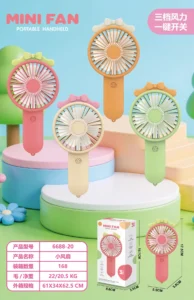
- Folding/color box: useful when the buyer needs printed panels, instructions or stronger retail presentation.
- Window box: combines a carton structure with product visibility where the product and retail plan justify it.
- Blister/card format: can support hanging display and product visibility, subject to product, tooling and packaging-material requirements.
- Header card / bag: a simpler unit-pack route for suitable products where the bag material, warnings and destination rules are acceptable.
- Insert, sleeve or label: useful when the existing product pack can remain but the buyer needs controlled branding or information.
- Display box: part of a retail merchandising system and should be planned with unit count, shelf footprint and replenishment.
Do not publish one fixed packaging cost per unit as if it applies globally. Price depends on size, material, printing, finish, structure, tooling, quantity and supplier route and should be quoted from the actual specification.
Packaging artwork checklist
- Exact SKU and product name.
- Approved logo and brand artwork.
- Required regulatory and safety information for the destination.
- Product identifiers, batch/traceability fields and responsible-party details where applicable.
- Barcode, QR code or marketplace information supplied by the buyer.
- Instructions, language versions and product claims.
- Dieline, bleed, safe area, finishing and print specifications.
- Final packaged dimensions and weight assumptions.
Do not make unsupported sustainability claims
Recycled content, recyclability, compostability, biodegradable materials and other environmental claims should be supported by the actual packaging material, market and evidence. “Eco-friendly” should not be used as a generic sales label when the supplier has not confirmed what the package is made from and what claim can be substantiated.
Approve packaging with the real product
A dieline PDF can confirm copy and layout, but it does not prove fit, protection or shelf presentation. Where the project risk warrants it, approve a physical packaging sample or packed pre-production sample and confirm that the production method matches the approved proof.
Packaging changes logistics
A larger retail box can increase chargeable volume and reduce units per master carton even when the toy itself is unchanged. Recalculate carton quantity, dimensions, gross weight and shipping assumptions after final packaging is approved.