
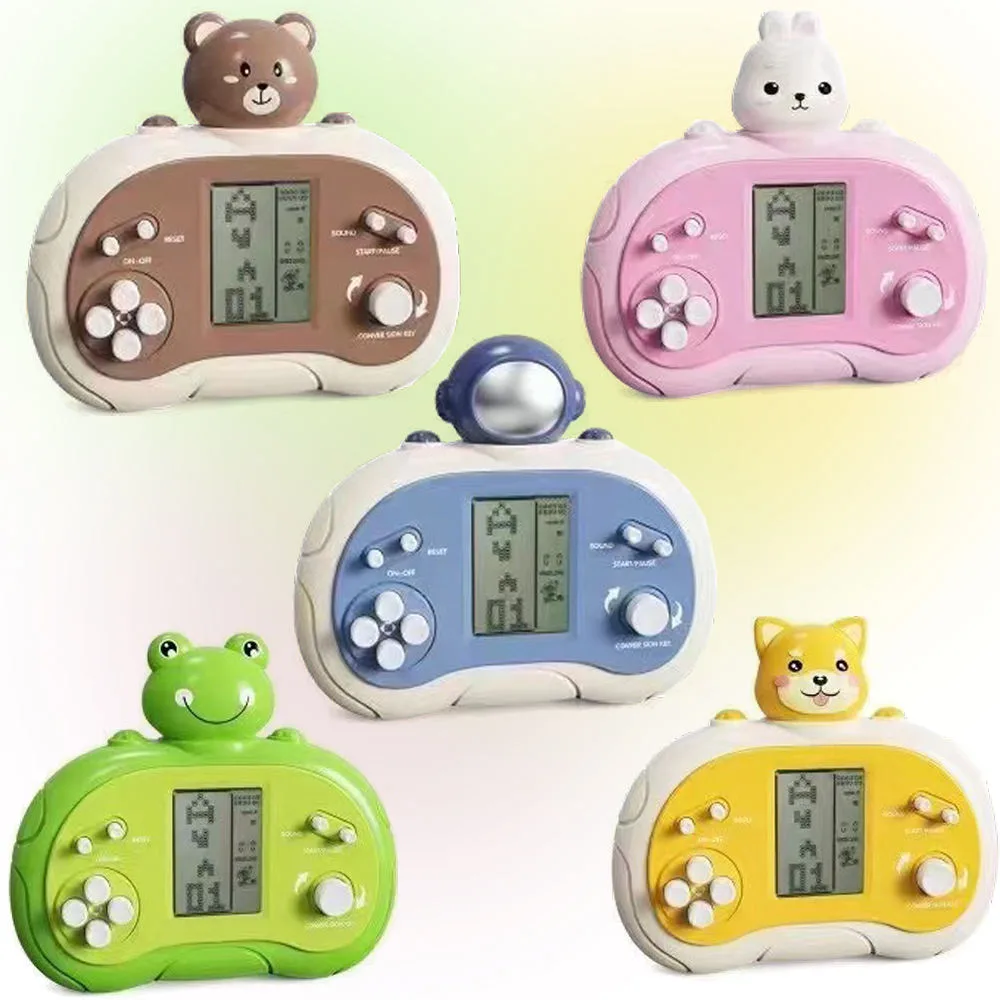
Toy safety requirements are product- and market-specific. A report, CE mark or factory certificate for one model does not automatically cover another product, material, age grade, function or destination. Buyers should identify the exact SKU, intended age group, sales channel and destination before deciding which assessment, testing, documentation, labels and warnings are required.
European Union: CE Marking and EN 71
CE marking is a manufacturer declaration, not a purchased certificate
Toys placed on the EU market must bear CE marking. Before affixing it, the manufacturer must identify the applicable requirements, carry out the relevant safety and conformity assessment, prepare technical documentation and issue an EU Declaration of Conformity. The CE mark indicates the manufacturer’s declaration that the product meets the applicable EU rules; there is no central EU authority that simply issues a general CE certificate for every product.
Official EU guidance: placing toys on the EU market and CE marking responsibilities.
EN 71 is a family of technical standards
EN 71 standards are commonly used to demonstrate conformity with relevant toy-safety requirements. The parts that apply depend on the product. Examples may include mechanical and physical properties, flammability and migration of certain elements, but buyers should not assume that the same test list applies to every toy.
The safety assessment must consider the actual chemical, physical, mechanical, electrical, flammability, hygiene and other hazards associated with the selected product. Product design, materials, coatings, small parts, magnets, batteries, sound, cords, projectiles and packaging can change the applicable scope.
EU importer responsibilities
An EU importer should verify that the manufacturer completed the appropriate conformity assessment, prepared the required technical documentation, applied the relevant markings and traceability information, and supplied instructions and safety information where required. The importer should not rely only on a generic factory badge or an unrelated test report.
United States: ASTM F963, CPSIA and CPC
In the United States, the toy-safety standard is the version of ASTM F963 incorporated into 16 CFR part 1250. CPSC guidance states that ASTM F963-23 became effective for applicable toys manufactured on or after April 20, 2024. The specific ASTM sections that apply depend on the product’s characteristics.
Toys intended primarily for children aged 12 or younger generally require third-party testing by a CPSC-accepted laboratory and certification in a Children’s Product Certificate for the applicable children’s product safety rules. The domestic manufacturer or U.S. importer is responsible for identifying the requirements that apply and issuing the CPC based on supporting test results.
Official U.S. guidance: CPSC Toy Safety FAQ and ASTM F963 requirements chart.
Do not list only “ASTM F963” on a CPC
The CPC should identify the applicable rules and sections for the exact product. Depending on the toy, other requirements may address lead in paint, total lead, phthalates, small parts, tracking labels, electrical toys or other product-specific hazards. Some requirements demand third-party testing even when a referenced ASTM section itself is not listed as a separate third-party-testing provision.
RoHS, REACH and Other Requirements
RoHS should not be presented as a blanket certification for every toy. It may be relevant when a product falls within applicable electrical or electronic equipment rules, but scope, exclusions and obligations must be checked for the exact product and market. REACH restrictions and other chemical rules may also apply to materials, coatings, plastics, inks or accessories.
Additional rules can apply because of batteries, radio functions, electrical parts, packaging, retailer requirements, age grading or the intended market. A product may need to meet several legal frameworks at the same time.
What a Buyer Should Request
| Item | What to verify |
|---|---|
| Exact product identity | Model, revision, material, color, function, age grade and packaging version. |
| Destination and channel | Country, marketplace, retailer, event program or other sales route. |
| Test report | Exact product match, report number, laboratory, standards and tested materials/components. |
| Declaration or certificate | Responsible legal entity, product identification, applicable rules and supporting evidence. |
| Labels and warnings | Age grading, small-parts warnings, tracking information, importer details, instructions and language. |
| Change control | Whether a material, color, component, supplier or packaging change affects the existing evidence. |
How Jinyu Handles Compliance Questions
Jinyu Novelty does not claim that every product on the website automatically carries the same CE, EN 71, ASTM F963, CPSIA, RoHS or other coverage. For an order-specific review, send the exact product, quantity, destination, intended age group, sales channel and documents requested by your importer or retailer.
We can check which product records, supplier documents or sample/testing routes are available for the selected item and identify what still requires confirmation. Any report must be reviewed against the exact SKU, materials, function and destination scope. Where current evidence does not cover the requested order, the quotation should state whether new testing, updated documentation, labels or sample approval is required.
Compliance RFQ Checklist
- Send the exact product link or a clear reference sample.
- State the destination country and importer or marketplace requirements.
- Confirm the intended age group and whether the item is marketed as a children’s toy.
- List materials, coatings, batteries, magnets, electronic functions and accessories.
- Ask which reports already exist and whether they cover the exact version.
- Confirm labels, warnings, tracking marks, importer information and instructions.
- Record any product or packaging changes after testing.
Related Buyer Resources
- Toy Safety Certification Checklist for Custom Orders
- US Toy Compliance Checklist
- Safe Promotional Toys for Kids Events
- Custom Toy Sample Approval Checklist
- Toy Quality Control Inspection Checklist for Importers
- Send an order-specific compliance and quotation request
Short FAQ
Does a CE mark mean an EU authority certified the toy?
No. CE marking is the manufacturer’s declaration that the product complies with the applicable EU requirements after the required assessment and documentation process.
Does one EN 71 report cover every color or material?
Not automatically. Changes to materials, coatings, components, colors or construction may affect whether the evidence still applies.
Who issues the U.S. Children’s Product Certificate?
The responsible domestic manufacturer or importer issues the CPC based on applicable third-party test results and other supporting information.
Can Jinyu provide the same certification package for every product?
No. Available documents and testing routes must be checked for the exact model, order specification and destination.