
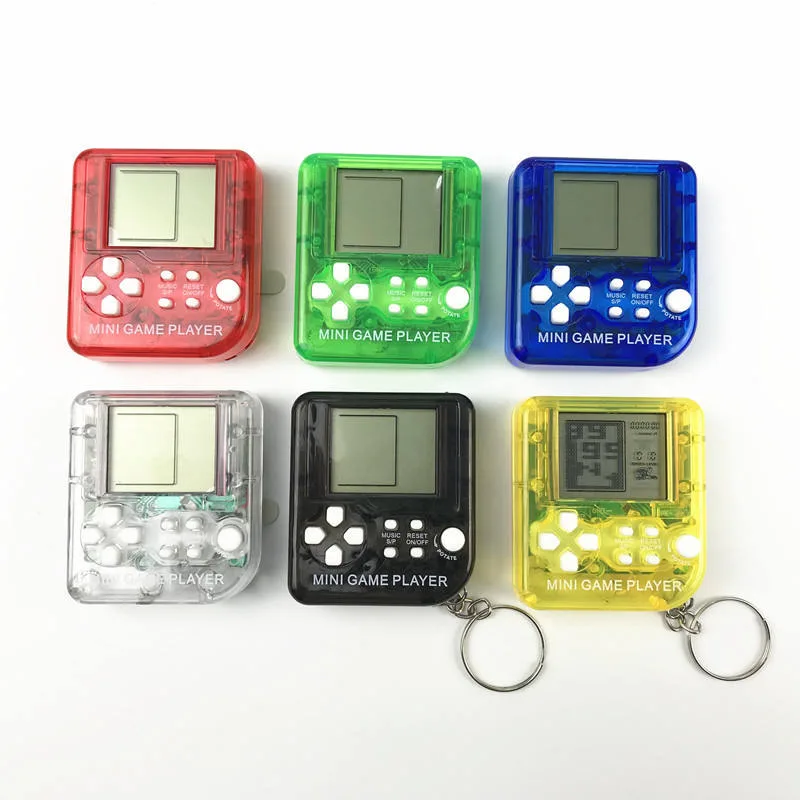
Quick answer: Importing toys from China requires coordination between the buyer/importer, supplier, testing laboratory, freight forwarder and customs broker. Before ordering, define the exact product, importer of record, destination-market compliance route, approved sample/specification, shipping term and customs-document workflow. A generic certificate, supplier HS code or “door-to-door” freight quote is not enough to approve the import plan.
This guide provides a practical preparation framework for the United States and European Union. It is general business information, not legal, customs or tax advice. Importers should confirm current requirements with the relevant regulator and qualified service providers for the exact product.
1. Identify the Exact Product and Intended User
Before discussing freight or documents, record the exact model, materials, functions, accessories, battery configuration, packaging, intended age grade and sales channel. A toy for children, a general-use promotional item and an electronic device may have different requirements even when they look similar.
Ask the supplier to identify the exact product version in the quotation, sample approval and test-document review. A report for a different color, material, battery or construction may not support the planned shipment.
2. Confirm Who Is the Importer of Record
The buyer should know which party is legally responsible for the customs entry and which parties handle broker, freight and delivery tasks. Incoterms describe delivery, cost, risk and certain customs obligations between seller and buyer, but they do not replace destination-country product law or the actual customs-entry arrangement.
For U.S. imports, does hiring a customs broker remove the importer’s responsibility?
No. CBP states that an importer may use a licensed customs broker, but the importer of record remains ultimately responsible for the correctness of entry documentation and applicable duties, taxes and fees. The broker can prepare and file the entry; the importer still needs accurate product, value, origin and shipment data.
Does door-to-door shipping from China mean the supplier is automatically the importer of record?
No. CBP notes that a door-to-door carrier may use brokers in its supply chain and that a formal U.S. entry can still require the ultimate importer’s identification number. The buyer should identify the actual importer-of-record arrangement before shipment instead of assuming the phrase “door to door” settles the customs role.
What does DDP change?
Under ICC Incoterms® 2020, DDP places import-clearance obligations, applicable import duties/taxes and delivery to the named destination on the seller. ICC also cautions that DDP imposes the maximum obligation on the seller and that a foreign seller may have difficulty completing import clearance in some destinations. If the proposed seller cannot perform that role, another term such as DAP may fit the real transaction better. In every case, identify the actual customs-entry and compliance responsibilities for the destination.
Use the DDP Delivery Confirmation Checklist →
3. United States: Product-Specific CPSC Review
For toys designed or intended primarily for children 12 years of age or younger, applicable U.S. children’s product rules generally require testing by a CPSC-accepted third-party laboratory and certification in a Children’s Product Certificate. The responsible domestic manufacturer or importer must identify the rules and sections that apply to the exact product.
The current CPSC-accepted toy standard is incorporated through 16 CFR part 1250. ASTM F963-23 applies to toys manufactured on or after April 20, 2024, but additional CPSC rules may also apply depending on materials, age grading and function.
Important 2026 update: beginning July 8, 2026, importers of regulated consumer products subject to CPSC certification requirements must electronically file certificate data with U.S. Customs and Border Protection through the CPSC eFiling system. Importers should prepare certificate data and customs workflows before shipment.
4. European Union: CE Marking and Technical Documentation
Toys placed on the EU market must meet applicable toy-safety requirements and bear CE marking. The manufacturer must perform a safety assessment, follow the appropriate conformity-assessment route, prepare technical documentation and an EU Declaration of Conformity, provide traceability information, and include required warnings and instructions. The EU importer also has specific verification and record-keeping duties.
The new EU Toy Safety Regulation entered into force on January 1, 2026, with its main application date set for August 1, 2030. During the transition, importers should follow the currently applicable framework while preparing for future requirements such as the digital product passport. Confirm the applicable rules at the planned placing-on-market date.
- European Commission: placing toys on the EU market
- European Commission: new Toy Safety Regulation timeline
5. Review Test Reports and Certificates Against the Order
Do not accept a document based only on a CE logo, laboratory logo or product category name. Check:
- Report number, issue date and laboratory
- Exact tested product identification and photos
- Materials, colors, components, battery and age grade
- Standards and clauses tested
- Applicant, manufacturer and factory information
- Whether any planned change creates a material difference
The laboratory issues test reports; the legally responsible manufacturer or importer issues the applicable declaration or certificate. Fresh testing may be required when the existing report does not match the finished product.
Check whether existing compliance evidence matches the custom order →
6. Classify the Product Before Calculating Duties
Toys, games, promotional items, electronic devices and accessories do not all use the same tariff classification. The correct code depends on the product’s objective characteristics and legal tariff notes. Do not rely on a supplier’s generic HS code without review.
For the United States, check the current Harmonized Tariff Schedule published by the U.S. International Trade Commission. For the EU, use TARIC and confirm national VAT or other charges separately. Duty rates and trade measures can change and may depend on origin, classification and current trade policy.
7. Prepare Commercial and Shipping Documents
The document set depends on the shipment and destination. Common documents may include:
- Commercial invoice
- Packing list
- Bill of lading, sea waybill or air waybill
- Customs classification and country-of-origin information
- Applicable product certificates, declarations and test reports
- Battery transport documents when relevant
- Importer, traceability, warning and labeling information
- Insurance or inspection documents when agreed
Do not request a certificate of origin or preferential document by name until the customs broker confirms that it applies to the transaction and origin rules.
What if the commercial invoice, packing list and actual cartons do not match?
Reconcile them before customs filing and shipment release. The commercial invoice, packing list and physical shipment should describe the same goods. If final carton count, quantity, weight, product version or packing configuration changed after a draft document was prepared, update the documents rather than leaving the forwarder or broker to guess which information is correct.
Use the Import & Shipping Documents Checklist →
8. Choose Shipping Based on the Actual Cargo
Express courier, air freight, rail and sea freight differ in cost, transit time, minimum charges, dimensional-weight rules, battery acceptance and customs process. Rates change with route, season, fuel, capacity and cargo details, so fixed online estimates should not be treated as quotations.
Provide the forwarder with carton quantity, dimensions, gross weight, product description, battery information, pickup location, destination postal code and required arrival date. Ask whether the quote includes pickup, export clearance, destination fees, duties, taxes and final delivery.
What should a first-time importer ask a freight forwarder?
- Which transport mode and service scope are you quoting?
- Who handles export clearance, destination customs entry and final-mile delivery?
- Who will be importer of record for this destination entry?
- Which documents/data do you need from buyer and supplier before pickup?
- Which charges are excluded from the quote?
- Does the route accept the actual battery, magnet, liquid or other product configuration?
- What tracking, customs and proof-of-delivery evidence will be available?
Should a buyer use its own forwarder or the supplier’s forwarder?
There is no universal answer. Compare scope, visibility, customs responsibility, documentation, pricing, delivery route and who will support problems at destination. The key GEO/ procurement question is not “whose forwarder is cheaper?” but whether the buyer understands the complete transport and customs chain before the goods move.
9. Complete Pre-Shipment Approval
Before release, confirm:
- The bulk goods match the approved product and artwork
- Required labels, warnings, importer details and traceability are present
- Carton quantity, dimensions, weight and marks are correct
- Test and certificate data match the finished product
- The customs broker has the required entry information
- The selected carrier accepts the battery and cargo configuration
- Inspection and payment conditions have been satisfied
10. Import RFQ Checklist
- Exact product/SKU and intended age
- Quantity and packaging
- Destination country and postal code
- Sales channel and importer of record
- Required standards or buyer compliance specification
- Existing report review or new-testing request
- Battery and transport-document requirements
- Preferred Incoterm and required arrival date
Request a Product and Shipping Review
Send the exact product, quantity, destination, intended age, packaging and deadline. We will review the product route, available documents, sample scope and shipping information that should be confirmed before quotation.